Source Inner Thigh Adductor Machine for Home Gym and Commercial Use
Compare 30 inner thigh adductor machines from verified suppliers. These units feature steel construction, CE and ISO certifications, and are designed for home gyms, commercial fitness centers, and professional clubs; compare the available evidence and request quotations based on your requirements.
Key considerations
Products List


Comprehensive Sourcing Guide
Inner Thigh Adductor Machine Sourcing Guide
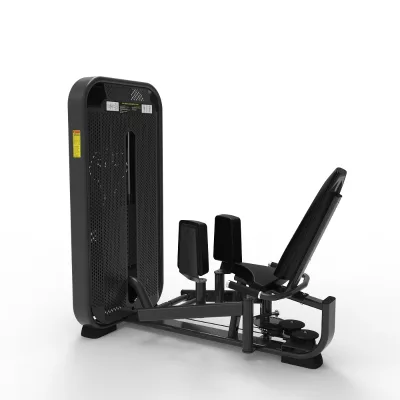
Buyers evaluating the inner thigh adductor machine must first recognize that these units are primarily designed for professional gymnasium and commercial fitness center applications. The observed product listings indicate a strong focus on integrated gym trainers that target the chest and leg muscle groups, specifically the inner and outer thighs. This dual-purpose capability allows facility managers to maximize floor space while offering comprehensive lower-body training options for unisex adult users.
When reviewing available inventory, procurement teams should note that the observed price range spans from 358 to 4999 USD, reflecting significant variation in build quality and feature sets. The minimum order quantity is flexible, with many suppliers offering a single piece, which facilitates initial testing or small boutique gym setups. However, the physical footprint is substantial, with dimensions often exceeding 1.5 meters in length, requiring careful spatial planning before finalizing any purchase agreement.
Product Scope and Observed Listing Signals
The product scope for these machines centers on heavy-duty steel construction designed for high-frequency commercial use. Listings consistently highlight a weight capacity of 80kg for the user load, paired with a machine weight ranging up to 296kg to ensure stability during intense resistance training. The exercise parts are explicitly categorized for leg training, including hip abductor and adductor functions, making them essential for targeted muscle isolation in professional bodybuilding routines.
Buyers should verify that the listed customization options align with their branding needs, as many suppliers offer customized logos and optional color schemes. The observed data confirms that these units are typically delivered in plywood cases via sea freight, which is critical for protecting the 2.7mm to 3mm thick steel components during international transit. Understanding that the product is often marketed as an eco-friendly solution helps in aligning procurement with sustainability goals for modern fitness facilities.
Technical Specifications to Verify
Technical due diligence must begin with the verification of structural dimensions, as observed models vary significantly from 1159mm to 1600mm in length. Buyers need to confirm the exact size specifications, such as 1550x860x1660mm or 1600x1230x1600mm, to ensure the equipment fits the intended floor plan without obstructing movement. The thickness of the steel frame is a critical safety metric, with observed values ranging between 2.7mm and 3mm, which directly impacts the machine's durability under heavy loads.
The power source for these units is consistently manual, relying on weight stacks or resistance mechanisms rather than electrical components. Procurement teams should verify the handle material, which is frequently specified as aluminum alloy, to ensure a secure grip and resistance to corrosion. Additionally, the painting process is often described as a two-layer system, a detail that buyers should confirm to guarantee long-term resistance to wear and tear in high-traffic gym environments.
Compliance and Safety Documentation
Safety compliance is paramount when sourcing commercial fitness equipment, and buyers must request documentation for CE and ISO certifications. The observed product data lists CE and ISO RoHS as standard certifications, indicating adherence to European safety and environmental standards. However, buyers should explicitly verify that the specific model they intend to purchase carries valid, up-to-date certification documents rather than relying on general supplier claims.
Beyond basic certifications, the application of the machine in commercial settings requires adherence to specific industry standards for fitness equipment. While some background data mentions ISO 20957, buyers should treat this as a reference point for what to request rather than an automatic guarantee. It is essential to obtain proof that the equipment meets the safety requirements for public use, ensuring that the liability risks associated with commercial gym operations are adequately mitigated through verified compliance.
Cost Drivers and Commercial Terms
The cost of an inner thigh adductor machine is heavily influenced by the material thickness and the complexity of the frame design. Units with thicker steel, such as the 3mm variants, generally command higher prices within the observed 358 to 4999 USD range due to increased material costs and manufacturing time. Buyers should analyze the price-to-weight ratio, considering that a machine weighing 296kg offers superior stability compared to lighter, less expensive alternatives.
Commercial terms regarding packaging and shipping are significant cost drivers that often get overlooked in initial price comparisons. The standard packing method involves plywood cases, which are robust but add substantial weight and volume to the shipment, affecting freight costs. Buyers must clarify whether the quoted price includes sea freight and insurance, as the large dimensions of these machines can lead to unexpected logistics expenses if not explicitly included in the initial commercial offer.
Supplier Qualification and Quality Control
Supplier qualification should focus on their ability to provide customized production standards and consistent quality control measures. The observed listings indicate that suppliers offer customized standards and logos, suggesting a flexible manufacturing process. Buyers should verify the supplier's track record in producing integrated gym trainers and ensure they have the capacity to maintain the specified 2-layer painting and aluminum alloy handle quality across all units.
Quality control protocols must be established before production begins, specifically regarding the welding integrity of the steel frame and the precision of the moving parts. Since the product origin is listed as China, buyers should consider implementing third-party inspection services to verify that the final product matches the agreed-upon specifications for size and thickness. This step is crucial to prevent receiving units that do not meet the safety and performance expectations required for professional gymnasium environments.
Long-Term Procurement Checks
Long-term procurement success depends on establishing clear maintenance and support channels with the supplier. Buyers should verify the availability of spare parts, particularly for the weight stack and handle mechanisms, to ensure minimal downtime for their fitness centers. The observation that these machines are designed for professional gym and club use implies a need for robust after-sales support to handle the wear and tear associated with high-volume usage.
Finally, buyers must plan for the eventual replacement or upgrade of these units by understanding the lifecycle of the equipment. The standard packaging and origin details suggest a supply chain that can be relied upon for future orders, but buyers should confirm lead times and production capacity for bulk replacements. Establishing a long-term relationship with a supplier who understands the specific technical requirements of inner thigh adductor machines will ensure consistent quality and availability over the lifespan of the facility.
FAQs
What certifications do the inner thigh adductor machines have?
The machines carry CE and ISO certifications to ensure safety and quality compliance. These standards verify that the equipment meets international requirements for commercial and home gym use, providing assurance for buyers sourcing professional fitness solutions.
Can I customize the logo on the inner thigh adductor machine?
Yes, customized logo options are available for this equipment. Buyers can request specific branding to be applied to the machine, which is ideal for fitness centers or clubs looking to enhance their facility identity with professional gym equipment.
What is the minimum order quantity for the inner thigh adductor machine?
The minimum order quantity is one piece, allowing flexible purchasing for various business needs. This low threshold supports both individual gym owners and larger commercial buyers who wish to test the product before placing larger orders.
How is the inner thigh adductor machine packed for shipping?
The equipment is packed in a plywood case to ensure safe transport. This robust packaging method protects the machine during sea shipping, preventing damage and ensuring the product arrives in perfect condition for installation at the destination.
What material is used to construct the inner thigh adductor machine?
The machine is constructed from steel with a thickness of 2.7mm or 3mm depending on the model. This durable material ensures stability and longevity, making it suitable for heavy use in professional gyms and commercial fitness centers.
Where is the inner thigh adductor machine manufactured?
The product originates from China, which is a major hub for fitness equipment manufacturing. This location allows for competitive pricing and efficient production capabilities while meeting international standards for gym machinery and commercial exercise solutions.